In recent years, the modern workplace has undergone a significant transformation, embracing more flexible and health-conscious designs that prioritize employee well-being and productivity. One innovative solution that has emerged is the ergonomic standing office chair. These chairs blend the functionality of traditional seating with the benefits of standing desks, catering to the evolving needs of individuals who spend long hours at their workstations.
An ergonomic standing office chair is specifically designed to support the human body's natural posture while allowing users to alternate between sitting, standing, and even leaning throughout the day. This dynamic approach promotes better circulation, reduces the risk of musculoskeletal disorders, and helps alleviate the discomfort often associated with prolonged sitting. By incorporating adjustable seat heights, backrests, and armrests, these chairs provide tailored comfort to accommodate various body types and preferences, making them suitable for diverse work environments.
Experts in ergonomics emphasize the importance of maintaining an active posture during the workday. A well-designed standing office chair allows users to engage their core muscles, promote better spinal alignment, and reduce pressure on the lower back. This ergonomic design also encourages a more engaged and alert state of mind, which is essential in enhancing overall productivity. Many standing office chairs are equipped with features such as memory foam cushions, breathable materials, and intuitive adjustments, ensuring maximum comfort without compromising support.
Additionally, the rising prevalence of remote and hybrid work has made ergonomic standing office chairs increasingly relevant. As more individuals set up home offices, the need for high-quality, ergonomic furniture has become apparent. Investing in such chairs not only contributes to physical health but also demonstrates an employer's commitment to fostering a positive work culture. By prioritizing ergonomics, companies can enhance employee satisfaction, reduce absenteeism, and ultimately improve overall organizational effectiveness.
In understanding the value of ergonomic standing office chairs, it is important to consider the expertise behind their design. Manufacturers collaborate with specialists in biomechanics, physiotherapy, and human factors to create products that stand up to rigorous testing and real-world usage. This commitment to research and development establishes credibility and ensures that these chairs meet the highest standards of quality and safety.
In conclusion, ergonomic standing office chairs represent a significant advancement in workplace design, emphasizing health, comfort, and productivity. As we continue to adapt to new work paradigms, such chairs serve as a vital tool in promoting a healthier, more dynamic work experience.
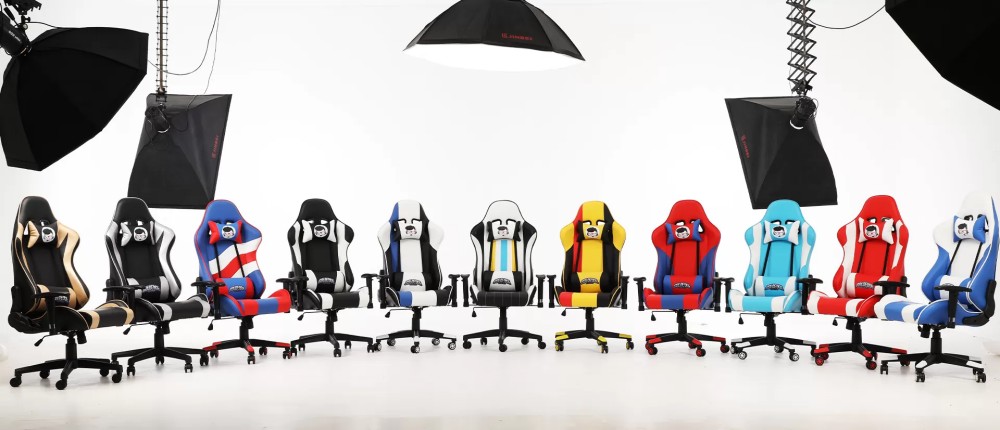
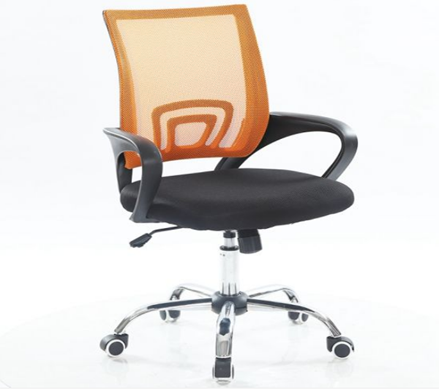
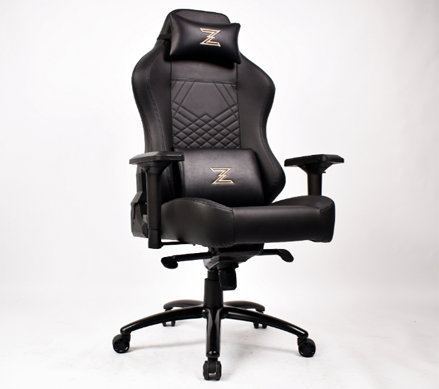
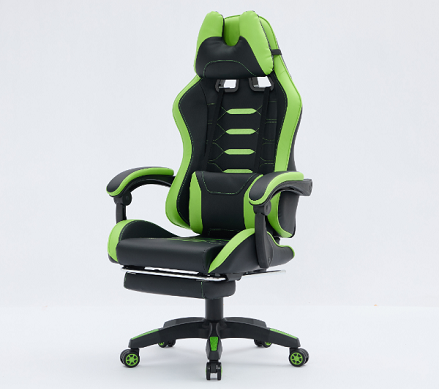

 tournament gaming chair